Shopping cart

Manufacturing Operations Insights

What an Interim Plant Manager Should Do in the First 10 Days

The first 10 days of an interim plant mandate An interim Plant Manager inherits decisions before inheriting full context. Delivery promises, safety issues, workforce concerns and escalation requests do not pause for a handover. The first ten days should establish control of the operation, test the

Read More

How to Calculate Real Production Capacity When Product Mix Changes

Calculate capacity for the mix you actually need to make A line that produced a certain number of units last month does not have a fixed monthly capacity. When the mix changes, the load on each work centre changes with it. A plan based on an

Read More

SAP Routing Time vs Actual Shop-Floor Time: Why Capacity Plans Fail

SAP routing time versus shop-floor time A capacity plan can be mathematically correct and operationally wrong. If the routing time in SAP no longer describes the work being done, every downstream calculation inherits that error: available hours, required people, order dates and the supposed bottleneck. For

Read More
Manufacturing team reviewing production-line performance and OEE

Boosting Overall Equipment Effectiveness (OEE): Strategies for Smarter, More Efficient Manufacturing

What OEE actually tells you Overall Equipment Effectiveness combines availability, performance and quality. It helps a manufacturing team understand where planned production time is being lost, but only when the underlying data and loss categories are reliable. OEE should not be treated as a universal target

Read More
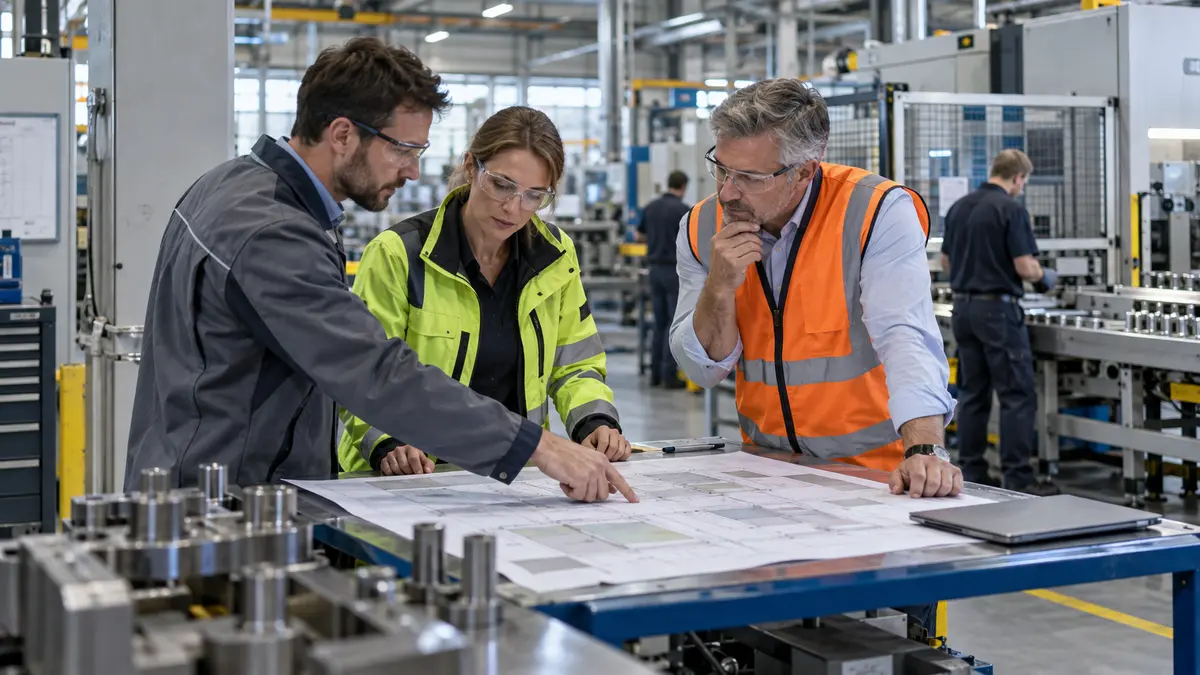
Manufacturing consultant discussing shop-floor operations with a factory team

Driving Efficiency: Industrial Consulting in European Manufacturing

Why operational efficiency remains difficult European manufacturers are managing volatile demand, skills constraints, energy pressure and increasingly complex production systems. Sustainable improvement requires a clear operating problem, reliable data, direct observation and managers who convert priorities into daily execution. Industrial consulting is useful when internal teams

Read More
Internal managers and an external specialist reviewing an operational plan

In-house, Outsourced or Interim? Choosing the Right Operational Model

When an operational improvement or recovery project begins, one decision shapes both pace and control: should the work be led internally, outsourced or supported by an interim leader? In-house: ownership with limited capacity Internal teams understand the products, systems and organisational context. They are often the

Read More
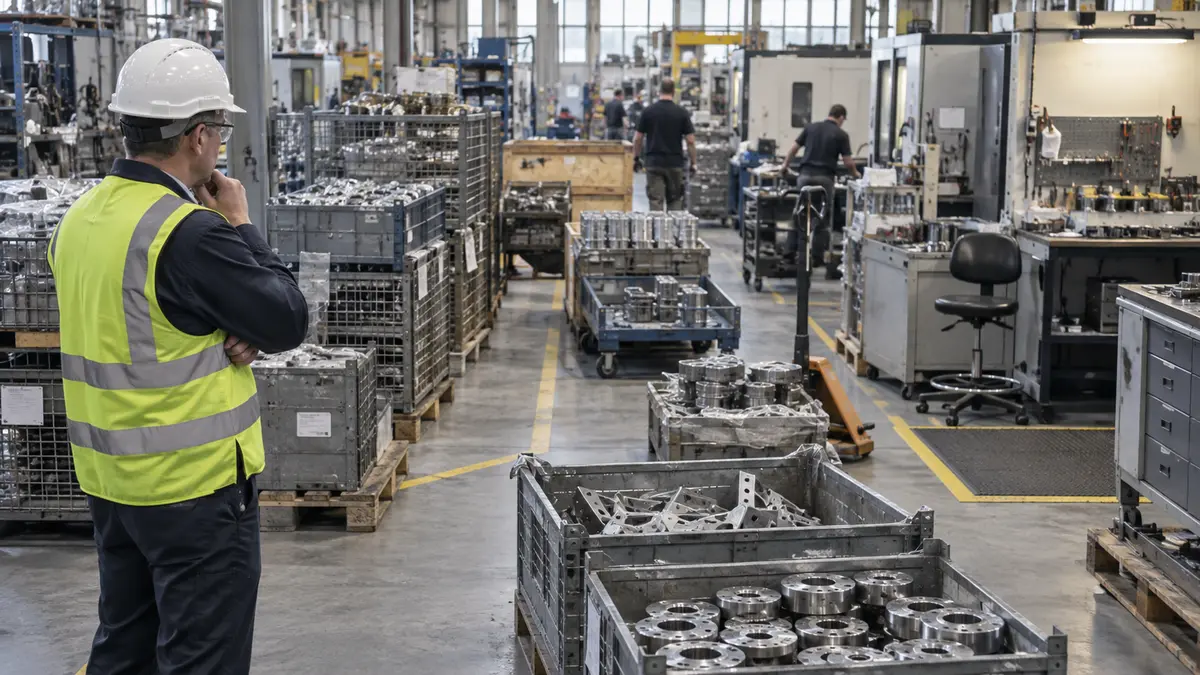
Supervisor observing excess work in progress and disrupted manufacturing flow

The Hidden Cost of Waste in Manufacturing

Manufacturing waste is not limited to scrap. It also appears as waiting, excess work in progress, avoidable movement, rework, unstable planning and management time consumed by repeated firefighting. Why hidden waste matters Many losses are absorbed by overtime, inventory or additional coordination. Because output eventually leaves

Read More
Factory team analysing production flow, capacity and operational performance

5 Essential Strategies to Optimise Factory Operations

Factory performance rarely improves through one isolated initiative. Stable results come from a small number of connected management disciplines. 1. Make flow visible Map the real movement of materials and information. Observe queues, waiting, rework and handoffs rather than relying only on departmental reports. 2. Validate

Read More
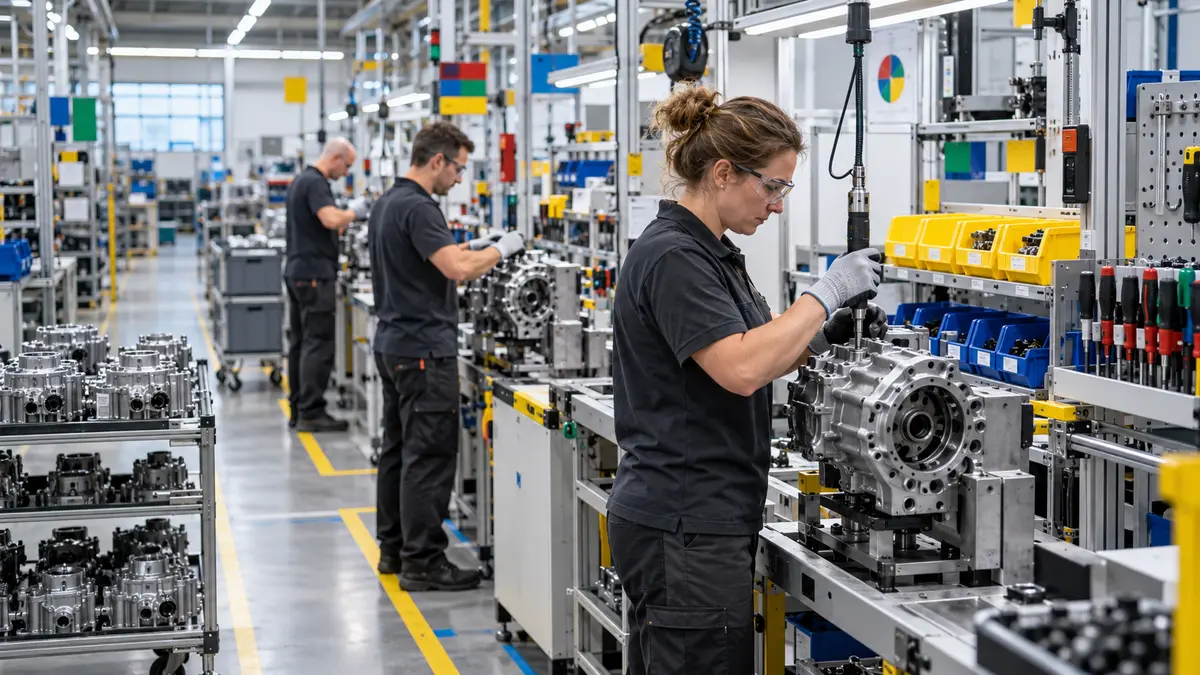
Operators working in a standardised and visually organised production cell

Streamlining Operations with Lean Manufacturing Principles

Streamlining Operations with Lean Manufacturing Principles Lean Manufacturing has emerged as a cornerstone for operational excellence. By focusing on eliminating waste and improving workflows, Lean principles help businesses achieve sustained growth. The Core Principles of Lean Manufacturing Value: Understand what your customer values and focus resources

Read More
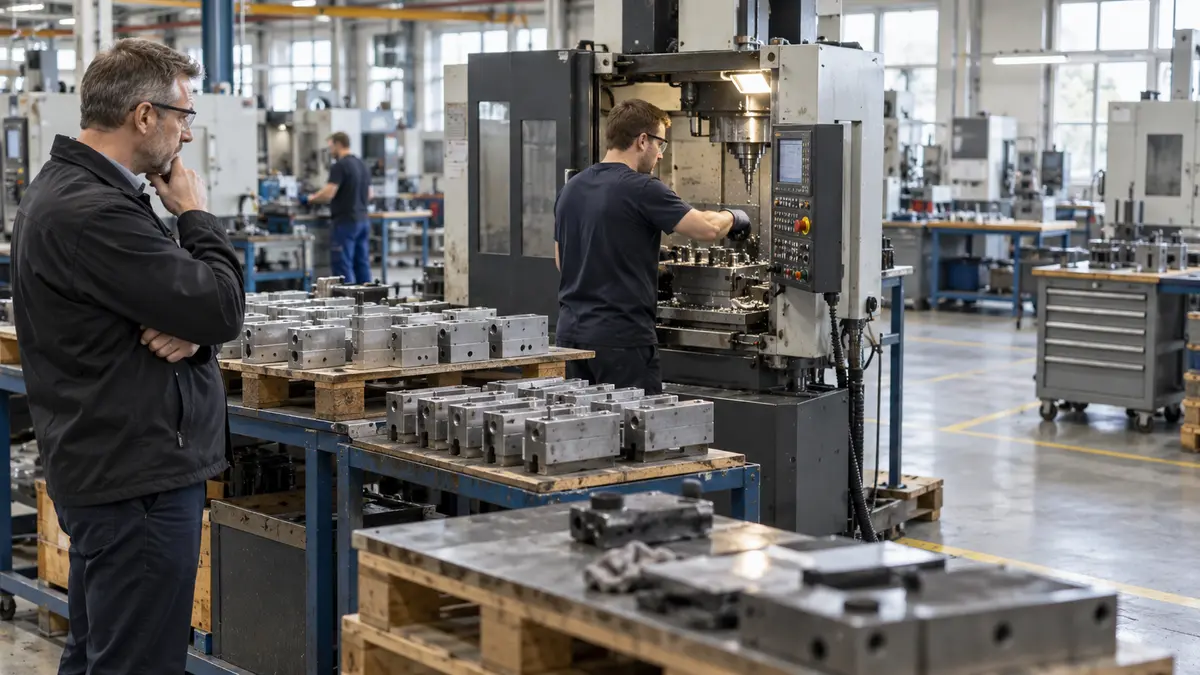
Supervisor observing a bottleneck and queued work in a machining process

How the Five Focusing Steps of TOC Can Unlock Process Performance

How the 5 steps of  Theory of constraints can unlock your processes potential? In today’s competitive manufacturing environment, optimizing production processes is critical for business success. The Theory of Constraints (TOC) offers a powerful framework to identify and resolve bottlenecks, enabling companies to enhance throughput and

Read More